Expert Power Contractor Services for Every Need
An expert electrical service provider services address a wide variety of needs across commercial and residential sectors. These experts guarantee compliance with safety regulations and improve operational efficiency. From setup to energy conservation, their knowledge is essential for minimizing risks and avoiding expensive mistakes. Comprehending the intricacies of local regulations additionally strengthens their worth. Nevertheless, steering through the engagement and selection process can be complicated, presenting important questions about how to choose the right contractor for specific needs.
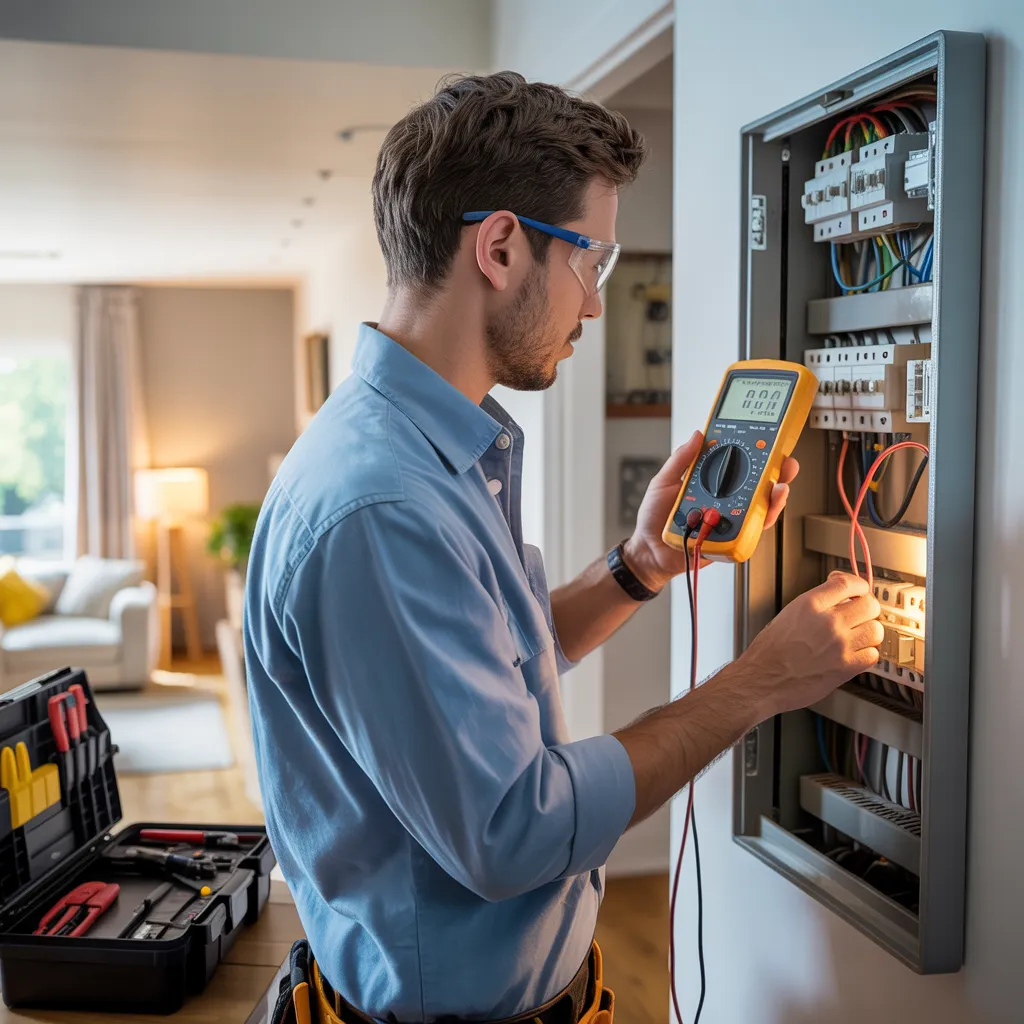
Why Employing a Skilled Electrical Contractor Is Essential
Retaining a competent electrical contractor can greatly impact the safety and functionality of a structure's electrical system. These experts maintain the vital expertise and experience to ensure that all electrical installations complies with local standards and regulations. This adherence minimizes the potential for hazards like fires caused by electricity, electrocution, and system failure. In addition, a competent contractor can evaluate the distinct power needs of a structure, providing bespoke solutions that enhance productivity and performance.
Coupled with security, retaining an professional can circumvent expensive errors that regularly result from do-it-yourself efforts or employing unlicensed individuals. Their competence permits timely project completion without diminishing standards. In addition, a trusted professional usually delivers warranties and assurances, delivering confidence to homeowners. In the final analysis, the decision to hire a qualified electrical contractor is not just about convenience; it is a significant investment in the long-term safety and dependability of a property's electrical infrastructure.
Standard Power Solutions Delivered by Experts
A wide range of electrical services is commonly offered by technicians to satisfy diverse client demands. These solutions encompass home electrical wiring, where technicians install and maintain electrical networks in houses, delivering safeguarding and compliance with municipal standards. Commercial electrical operations includes installations and restoration in corporate spaces, focusing on optimal energy consumption and stable performance.
Additionally, electrical contractors supply illumination setup and improvements, boosting both appearance and performance in multiple spaces. They also focus on identifying and correcting electrical issues, handling problems like flickering lights or circuit overloads.
Furthermore, energy efficiency assessments are carried out to support homeowners with decreasing consumption and lowering electrical bills. Contractors frequently aid in the setup of smart home systems, adopting technology for advanced management and user-friendly operation. Finally, urgent electrical support are at hand to manage emergency concerns, confirming that clients secure quick assistance when necessary.
Assessing Electrical Contractor Certifications
Evaluating the qualifications of an electrical contractor is critical for ensuring quality and safety in electrical projects. Key aspects include the necessary licensing and certifications, thorough coverage and liability protection, and a demonstrated history of expertise. These elements in aggregate establish a foundation for evaluating the contractor reliability and expertise.
Licensing And Certifications Required
Licensing and certifications act as essential markers of an electrical contractor's qualifications and adherence to industry standards. Every region sets specific licensing requirements that contractors are required to meet, often including a mixture of education, training, and experience. Certifications from trusted organizations further confirm a contractor's capabilities in specialized areas such as residential, commercial, or industrial electrical work. These credentials not only ensure compliance with local regulations but also signify a dedication to safety and professionalism. Clients should verify these credentials prior to hiring, as licensed contractors usually have more knowledge of current codes and best practices. In the end, proper licensing and certifications build consumer confidence and aid in the successful completion of electrical projects.
Coverage And Liability Insurance
Insurance and liability coverage are essential elements when assessing the qualifications of an electrician. These safeguards ensure that both the contractor and the client are protected against possible accidents. A qualified electrical contractor should possess general liability insurance, which protects against structural harm or injuries that may happen during the job. Additionally, workers' compensation insurance is essential, as it protects against on-the-job harm sustained by employees. Clients should verify that the service provider's coverage is up-to-date and sufficient to account for the scope of work. This not only reduces financial risk but also demonstrates the contractor's dedication to professionalism and safety. Ultimately, robust insurance and liability coverage serve as signs of a trustworthy and accountable electrician.|Insurance and liability coverage are essential components when assessing the qualifications of an electrician. These safeguards guarantee that both the contractor and the customer are safeguarded against potential mishaps. A qualified electrical contractor should possess comprehensive liability coverage, which covers structural damage or injuries that may happen during the job. Additionally, employee injury coverage is crucial, as it protects against workplace injuries incurred by employees. Clients should verify that the service provider's insurance is up-to-date and sufficient to cover the scope of work. This not only reduces monetary exposure but also demonstrates the contractor's commitment to professionalism and safety. Ultimately, robust protective insurance and liability protections act as signs of a trustworthy and accountable electrician.|Insurance and financial protection are critical aspects when assessing the credentials of an electrical contractor. These protections guarantee that both the contractor and the customer are safeguarded against possible mishaps. A qualified electrician should possess comprehensive liability coverage, which protects against property damage or injuries that may occur during the job. Additionally, workers' compensation insurance is crucial, as it shields against workplace injuries incurred by employees. Customers should verify that the service provider's coverage is up-to-date and adequate to account for the scope of work. This not only reduces financial risk but also reflects the service provider's commitment to professionalism and safety. Ultimately, comprehensive insurance and liability coverage serve as indicators of a reliable and responsible electrician.
Background And Results
Experience stands as a cornerstone in determining the credentials of an electrical contractor. A contractor's experience of completed projects demonstrates their ability to handle various electrical tasks, from residential installations to complex commercial systems. Potential clients should examine the contractor's portfolio, looking for evidence of successful projects that align with their specific needs. Additionally, years in the industry often indicate a deeper understanding of regulatory requirements and safety standards. Client testimonials and reviews can offer insights into reliability and customer satisfaction. Certifications and licenses further validate a contractor's expertise, showcasing ongoing education and adherence to industry standards. Ultimately, a robust track record facilitates informed decision-making, ensuring clients select a contractor capable of delivering quality work consistently.
The Function of Electrical Contractors in Home Renovations
Across the complex choreography of home renovations, electrical contractors serve as key players, guaranteeing that every wiring and lighting decision improves both safety and aesthetics. Their knowledge is vital in designing and implementing electrical layouts that adhere to building standards and requirements. From installing power-saving illumination to strategically placing outlets, these professionals guarantee usability and ease throughout the home.
Moreover, electrical contractors inspect present infrastructure, establishing necessary upgrades or repairs that strengthen comprehensive energy performance. This not simply minimizes utility costs but also fosters a more responsible living environment. They engage closely with additional skilled professionals, harmonizing their projects with plumbing, carpentry, and design elements to construct a integrated renovation approach.
Finally, the participation of electrical contractors is fundamental for converting a house into a safe, stylish, and modern home, demonstrating their necessity in any successful renovation project.
Electrical Contractor Solutions for Business Environments
Throughout commercial spaces, electrical contractors take on a vital role in deploying efficient wiring installations and energy management systems. These options not only elevate operational efficiency but also produce monetary savings over time. By directing attention to state-of-the-art electrical designs, businesses can lower their energy consumption and fortify overall functionality.
Effective Wiring Installations
Efficient wiring arrangements are critical for advancing operational capability and protection in commercial spaces. A thoroughly planned wiring system enhances electrical capability while curbing the risk of hazards. Expert electrical contractors review the distinctive requirements of each establishment, guaranteeing that wiring is tailored to support various purposes, from lighting to heavy machinery. By utilizing superior materials and adhering to industry standards, they diminish repair issues and boost the lifespan of electrical systems. In addition, proficient wiring arrangements promote upcoming upgrades and growth, granting businesses to adapt to evolving technological demands. Ultimately, investing in efficient wiring systems not only enhances operational efficiency but also contributes to a more secure working environment, fostering overall output and peace of mind for both employers and employees.
Energy Management Systems designed to enhance efficiency and decrease utility bills
Optimizing electrical systems goes beyond proper wiring work; it includes the deployment of energy management systems (EMS) that enhance energy efficiency in commercial spaces. EMS solutions provide real-time monitoring and control of energy consumption, enabling businesses to identify consumption trends and reduce waste. By integrating advanced technologies, such as smart meters and automated controls, EMS can significantly reduce operational costs while promoting sustainability. Electrical contractors play an vital role in designing and implementing these systems, ensuring they meet specific commercial needs. With tailored EMS solutions, businesses can achieve greater energy efficiency, comply with regulations, and enhance their overall operational performance. Adopting an EMS not only benefits the bottom line but also contributes to a greener environment.
Guidelines on Discussing Your Needs With Contractors
Clearly stating project requirements is essential when collaborating with electrical contractors. Clients should start by outlining the project scope, indicating the type of work necessary, whether it's new installations, modifications, or restoration. Providing specific information helps informative guide contractors recognize expectations and required resources.
Additionally, clients should communicate their financial limitations and project schedules. Sharing these specifications allows professionals to suggest realistic approaches and timelines. It is also beneficial to address any specific preferences for products or systems, as well as any relevant safety or regulatory considerations.
Visual aids, such as diagrams or photos, can further enhance learning. Encouraging open dialogue creates a team-oriented environment, enabling contractors to ask clarifying questions and suggest alternatives. Finally, establishing a primary point of contact guarantees efficient communication during the project. By following these guidelines, clients can effectively convey their needs, leading to positive results.
What You Should Understand About the Electrical Work Process
What can one anticipate during the electrical work process? Initially, the electrician will conduct an evaluation of the project needs, discussing the scope and any particular issues. Following this, they will provide a comprehensive quote, outlining expenses and timelines. Once the agreement is in effect, the contractor will schedule the job and obtain any necessary permits.
During the live work, one can expect direct communication regarding progress and probable disruptions. The contractor will commit to safety protocols are complied with, restricting risks to both workers and inhabitants. As the project unfolds, audits may occur to establish compliance with local codes.
Once finished, the contractor will perform a final walkthrough, addressing any concerns and ensuring all systems function correctly. Ultimately, they will deliver documentation, including warranties and maintenance tips, ensuring that the homeowner is knowledgeable about their new electrical installations. This comprehensive process aims to deliver dependable and effective electrical solutions.
Often Requested Questions
What Is the Typical Cost of Hiring an Electrician?
The standard cost of engaging an electrical contractor commonly ranges from $50 to $100 per hour, influenced by the scope and difficulty and location. Fixed pricing for designated work may also apply, varying considerably.
What Timeframe Do Typical Electrical Jobs Require to Be Completed?
Standard electrical project timeframe varies, often requiring a few moments to several days, contingent on the complexity involved. Factors such as the type of installation, existing wiring conditions, and team capability play key roles in completion time.
Do Electrical Contractors Need Licenses in Every State?
Electrical contractors are generally obligated to be licensed in most states, ensuring they meet specific education and experience standards. However, certification standards can differ significantly, so it's essential to verify local regulations for precise information.
Can I be Capable to Perform Any Electrical Work Myself?
Individuals can carry out some modest electrical projects themselves, such as installing new outlets or light fixtures, but must respect local codes. For difficult tasks, contracting a licensed professional is wise to confirm safety and compliance.
What Measures Should I Take if an Electrical Emergency Happens?
When facing an electrical emergency, one must immediately turn off the power at the circuit breaker, avoid contact with any live wires, and get in touch with a qualified electrician for support to guarantee safety and the right resolution.